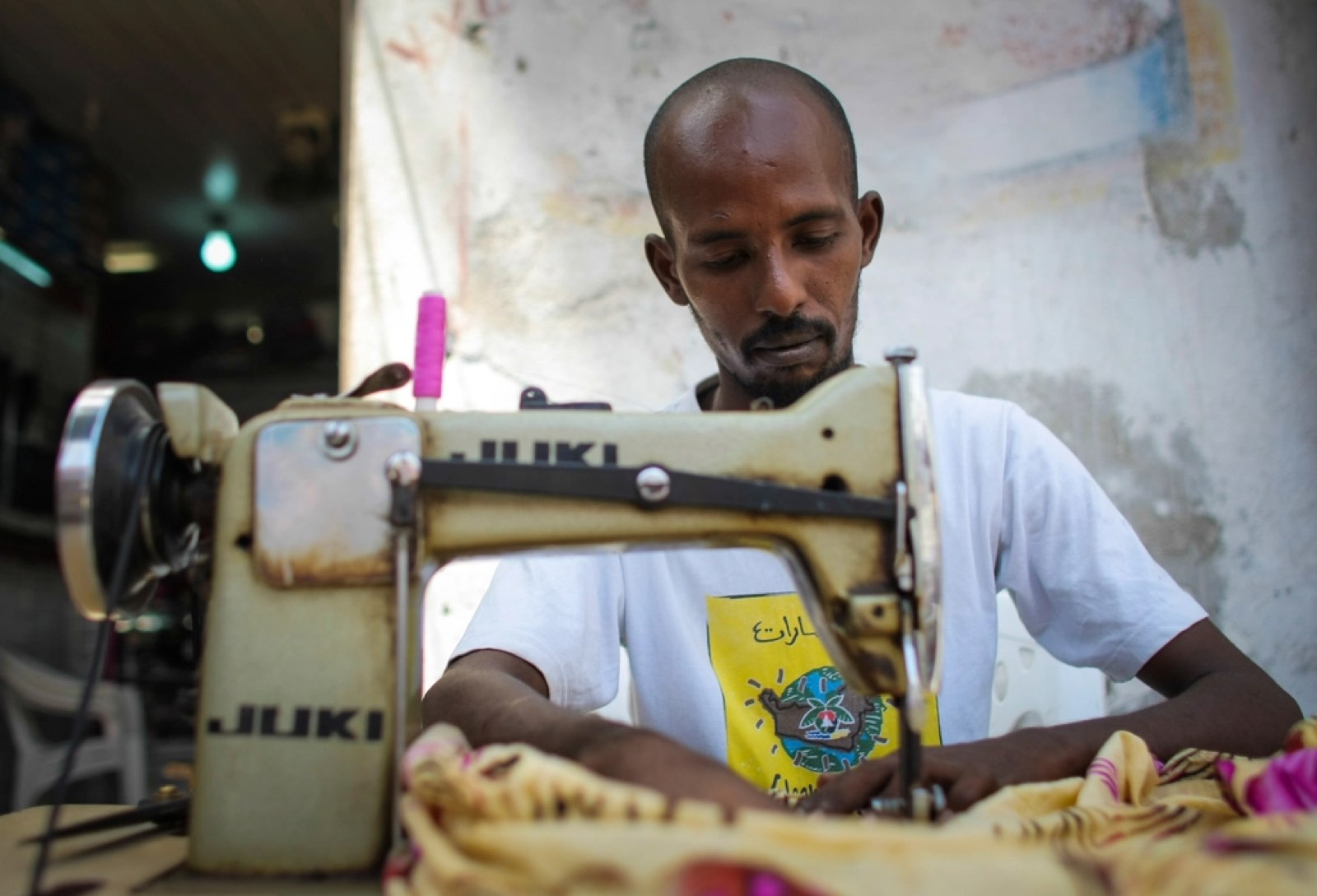
Ask a small business owner how they grew and you will rarely hear a story of one company getting steadily bigger. More often it goes sideways. The bakery starts selling at a weekend market, then opens a café, then launches packaged biscuits under a different name. The dental practice adds a cosmetic clinic next door. The tutor who began with one subject now runs a coaching centre and a summer camp.
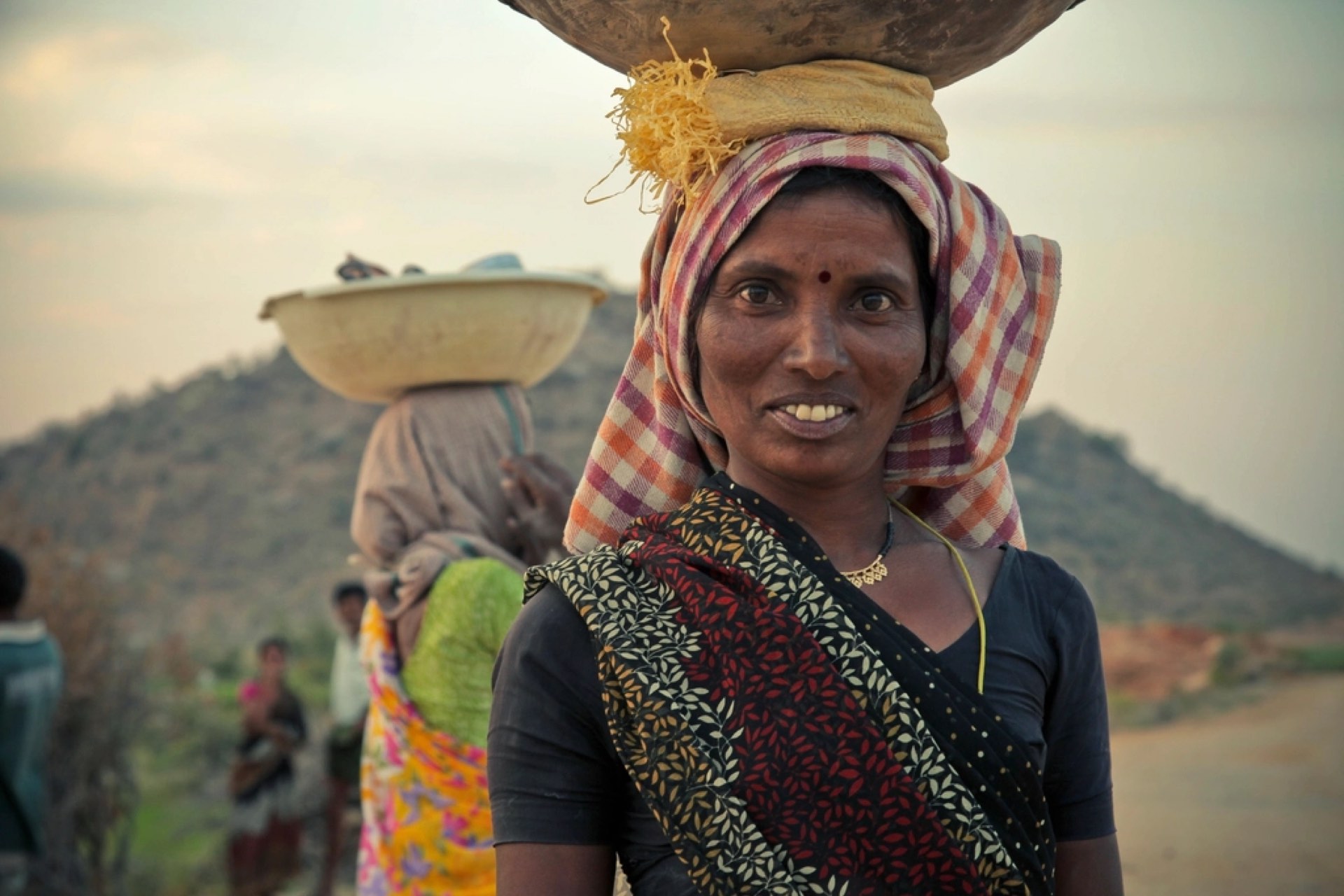
Growth like this is common, although it rarely shows up in statistics, because most data counts firms rather than the brands, sites and ventures inside them. What we do know is that small and medium firms are 90%1 of businesses worldwide, and that in India MSME products made up 45.7%2 of exports in 2023-24. Anyone who has spent time with owners of such firms knows how many of them are juggling more than one thing.
of India's exports were MSME products in 2023-24.
A large share of what one of the world’s biggest economies sells abroad is made by smaller firms.
Ministry of MSME, Government of India, Annual Report 2024-25, 2024Software was built for one of everything
Most business software assumes one business, one brand, one website and one bill. That works until the owner starts a second venture. Then there is a choice: squeeze the new brand into the old account, where its customers, stock and accounts get mixed up, or open a second account, with a second login, a second subscription and a second set of settings.
Neither option is good. Mixing brands creates confusion, from customers receiving messages about the wrong shop to accounts that cannot be separated at tax time. Separate accounts multiply the admin. The owner ends up with a drawer full of passwords, several bills and no single view of how the whole group is doing.
Growth should not mean a second login, a second bill and a second set of passwords.

The shape of a real business
If you draw how a growing small business actually looks, it is usually a tree. At the top is a person. Beneath them are one or more businesses, the legal entities that hold bank accounts, file taxes and employ staff. Beneath each business are the brands, shops, sites or services that customers actually see.
Each level needs different things. The person needs one identity and one place to sign in. The business needs its own team, its own bill and its own records. Each brand needs its own customers, its own website, its own catalogue and its own tools, because a café and a biscuit brand do not need the same apps.
And some things belong at more than one level at once. A customer might buy from the café and the biscuit brand. A member of staff might work across two shops. An accountant needs to see every business the owner runs. A structure that recognises the levels, and lets people and information cross them deliberately rather than by accident, is what separates a real workspace from a pile of accounts.
Getting this structure right early saves real pain later. Owners who have tried to split one brand out of a shared system, perhaps to sell it or hand it to a partner, know how hard it is when everything was mixed together from the start. Owners who kept each brand separate from day one can make that kind of change in an afternoon. Structure is a gift to your future self.
How we built for it
Svayam Incarnation Limited built Intersink around that tree, because it is how the businesses we care about grow. You start with a free User ID. You add a business, and inside it you create channels: one for each brand, shop or site. Each channel starts empty and installs its own apps from a catalogue of 49, so the café can have table bookings and a till while the biscuit brand has an online store and shipping.
Each business keeps its own team and its own monthly bill, which lists every channel and every app on it. People can be given a role in one business or one channel without seeing the rest, and an audit log records who did what. When you want the whole picture, you are one sign-in away from all of it.
The same structure works for a charity running several programmes, a school group with more than one campus, or a founder with two unrelated ventures. It serves larger organisations too. But we designed it for the owner who started a second thing on a Saturday and did not want to start again from scratch on Monday.
Draw a growing business and you get a tree, not a box.

Growing without losing sight
The deeper benefit of this structure is not tidiness. It is visibility. When each brand runs in its own channel, the owner can see which one is earning, which one is costing, and which one needs attention. That is the information that should drive the next decision: whether to open a third venture, merge two, or close one.
It also makes stopping easier. Ventures fail, and that is normal and often healthy. Closing a channel and removing its apps is a cleaner ending than trying to disentangle one brand’s data from another’s after years of sharing an account.
And it helps with the people side of growth. A manager hired to run the café does not need to see the biscuit brand’s wholesale margins. A bookkeeper who works across both does. Roles at the level of business and channel let an owner delegate without handing over everything, which is often the moment a founder stops being the bottleneck.
Businesses have always grown this way, one sideways step at a time. The software has simply taken a long while to notice. We think it is time it caught up.
What this means for your business
- Keep each brand’s customers, stock and accounts separate from the start. Untangling them later is far harder.
- Use one identity for yourself, and give staff roles in only the brands they work on.
- Review each brand’s costs and takings separately every month, so you know which one is carrying the others.
- When a venture stops working, close it cleanly rather than leaving it running in the background.
Sources
- World Bank (2024)90% of businesses worldwide are small and medium enterprises, and they provide more than half of all jobs.
- Ministry of MSME, Government of India, Annual Report 2024-25 (2024)45.7% of India's exports were MSME products in 2023-24.
Arguments and opinions in this essay are the editorial team’s own. Forecasts are the named source’s, not ours.