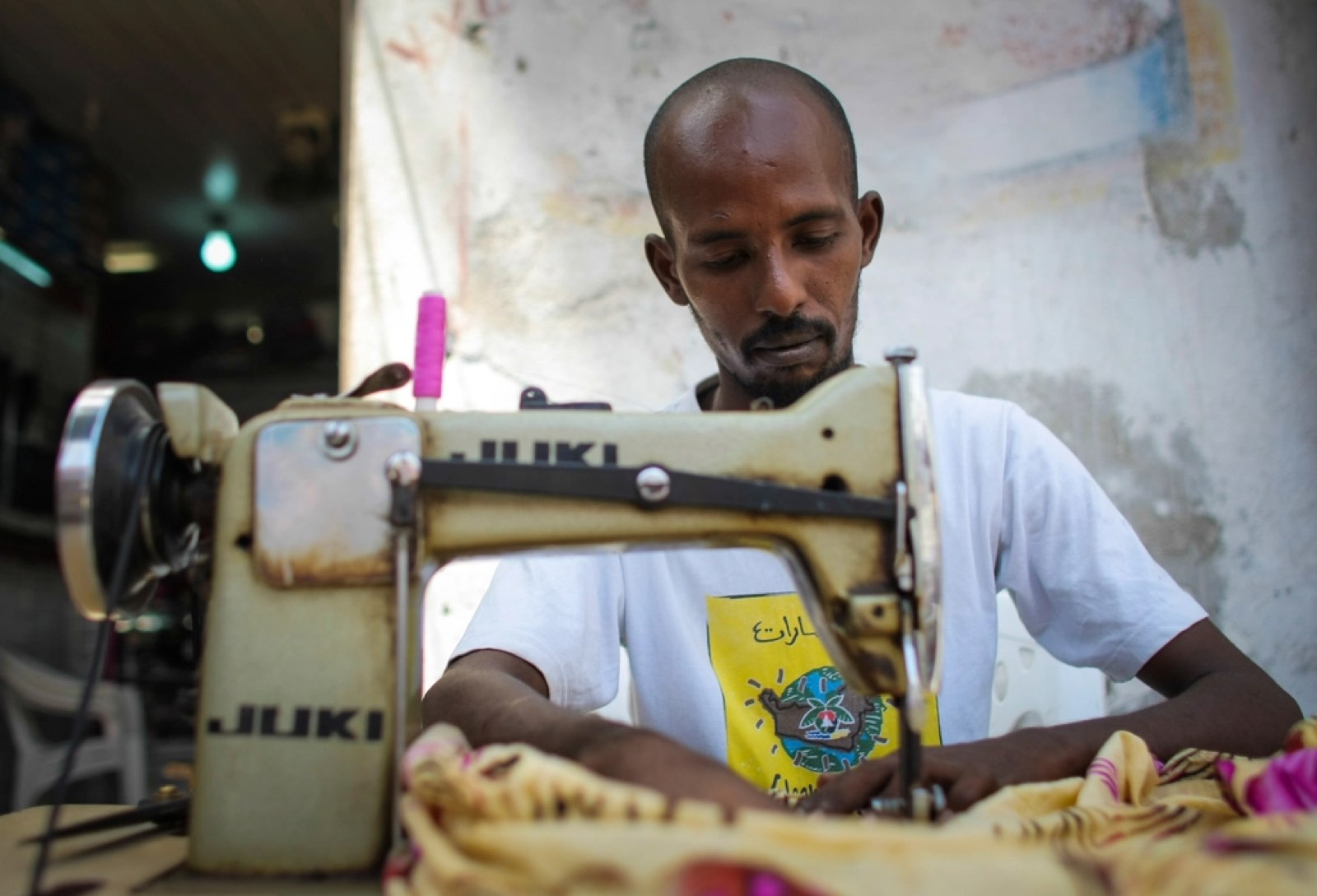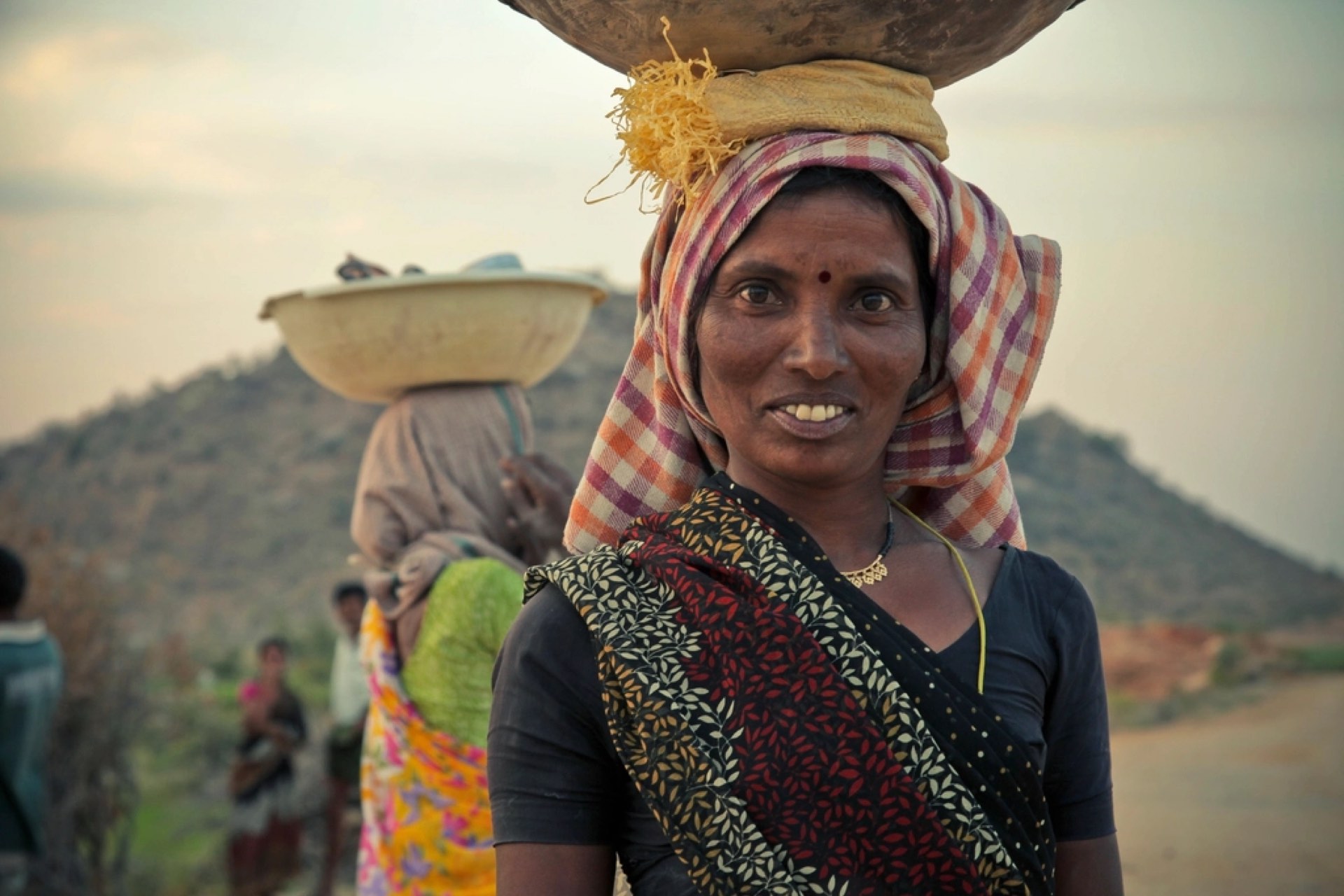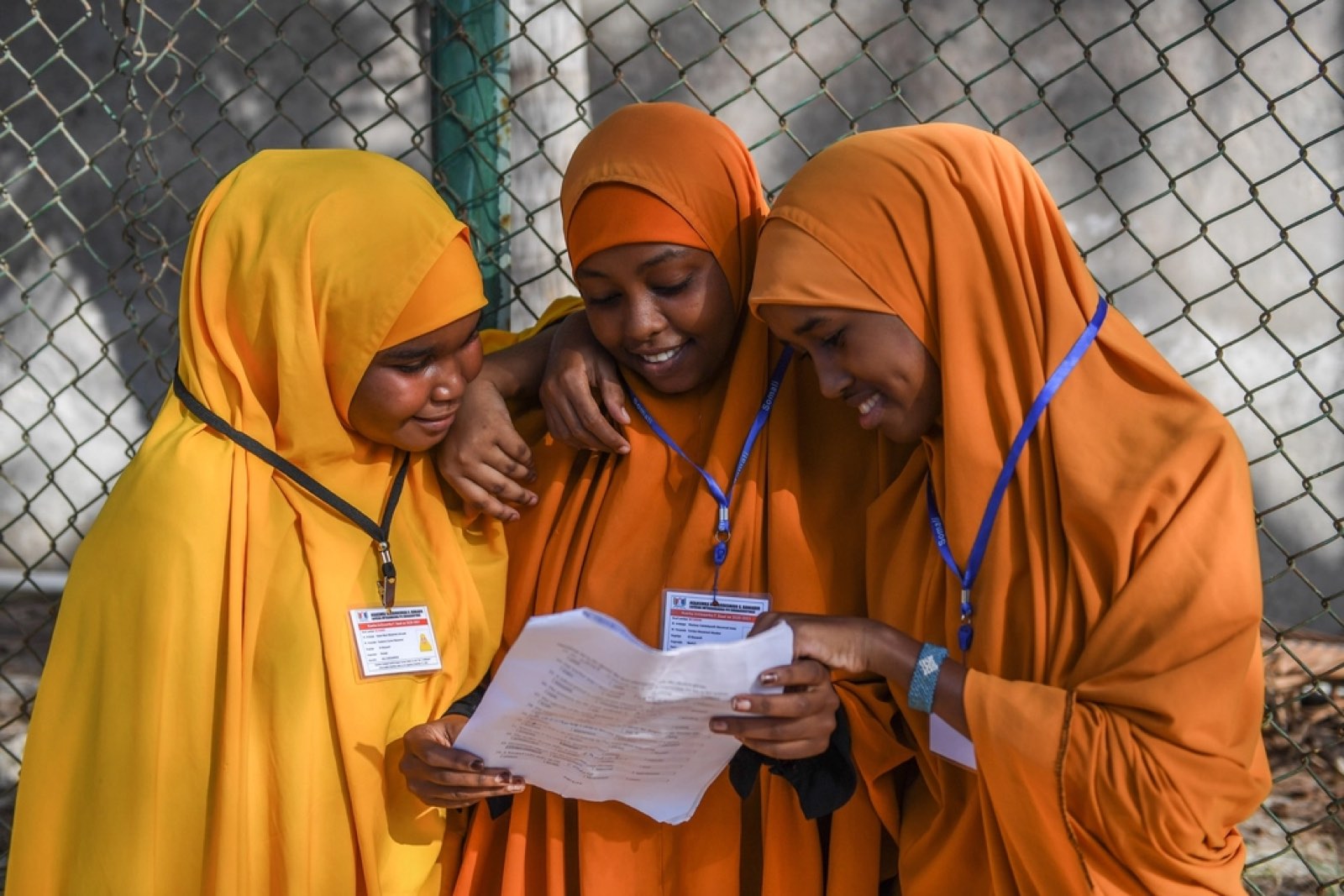
UNESCO estimates that 272 million1 children and young people were out of school in 2023. Behind that number are many reasons: conflict, poverty, distance, disability, the need to earn, the need to look after younger brothers and sisters, and schools that are simply not there.
Getting children into good schools is the most important response, and it is the work of governments, communities and teachers. But learning does not stop at the school gate, and it does not start there either. Much of what people need to earn a living is learned elsewhere: from a parent’s trade, an apprenticeship, a community class, a short course taken in the evening after work.
children and young people were out of school in 2023.
UNESCO’s count of children and young people outside school.
UNESCO Global Education Monitoring Report, 2024Skills are changing faster than schools can
Even those who finish school face a moving target. The World Economic Forum expects 39%2 of workers’ core skills to change by 2030, and reports that skill gaps are the top barrier to transformation for 63% of employers2. Formal education, however good, cannot keep pace with that on its own.
Young people feel this most sharply. The ILO put global youth unemployment at 12.6%3 in 2024, against 5% for all workers3. Many young people who are out of work, or who left school early, are looking for practical skills they can put to use quickly.
Those skills are rarely the ones a curriculum lists. They are how to keep accounts for a small stall, how to take bookings and payments online, how to write to a customer, how to use a spreadsheet, how to present your work so a stranger will trust it. Much of this can be taught in weeks rather than years, by people who do it for a living, to learners who need it now.
Learning does not start at the school gate, and it should not stop there either.
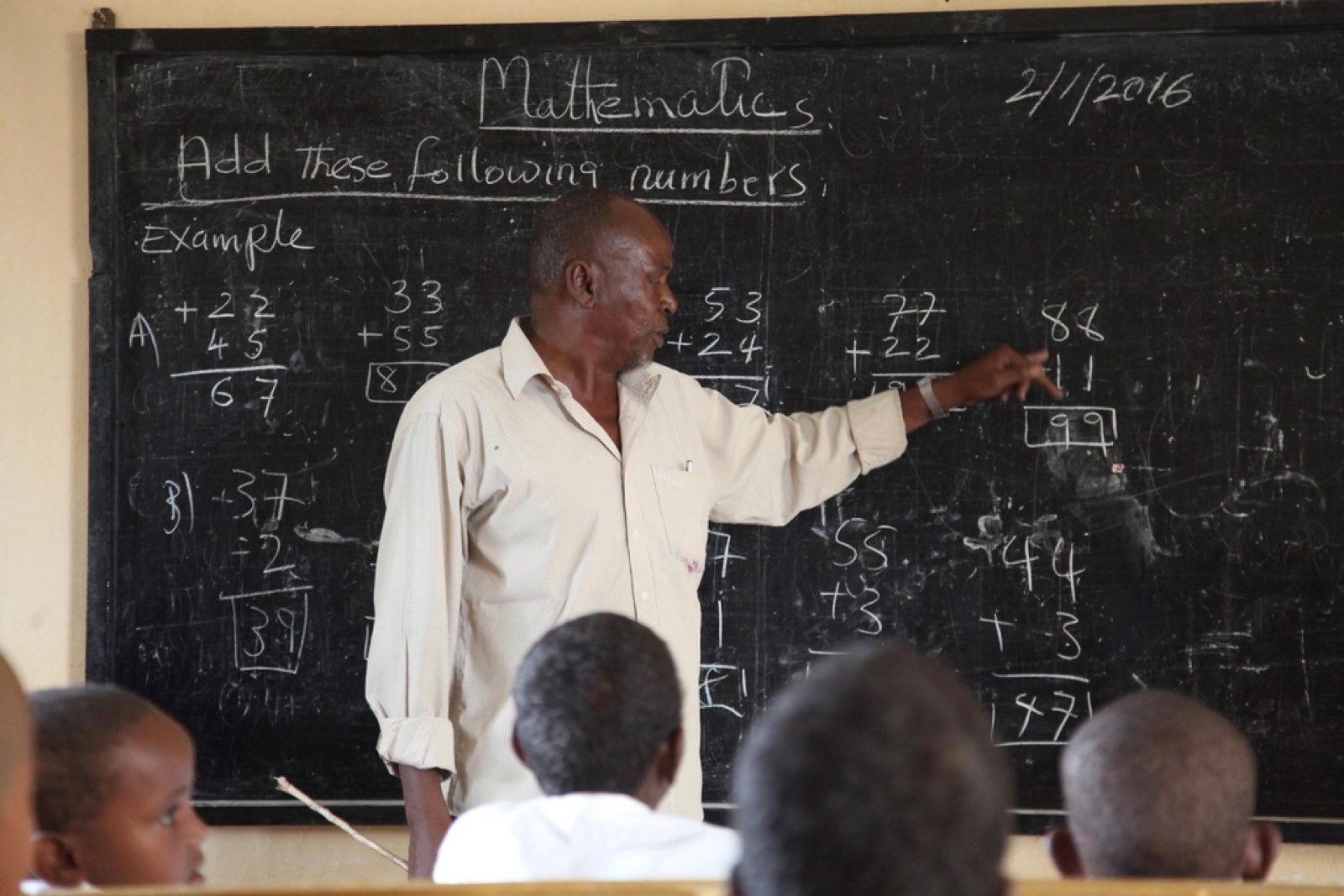
Who teaches outside the classroom
A great deal of practical learning is delivered by small organisations: coaching centres, vocational trainers, nonprofits running literacy programmes, community groups teaching digital skills, craftspeople taking on apprentices, and individual tutors with a handful of students. They are often the ones reaching people the formal system has missed.
These organisations tend to be short of money and time. They spend hours on administration that has nothing to do with teaching: enrolment forms, fee records, attendance, certificates, reminders about the next class. When their tools are clumsy, less of their energy reaches learners.
They also tend to be invisible to the systems that measure education. A literacy class in a community hall or a coding club in a library rarely appears in national statistics. Yet for many learners, especially adults and young people who left school early, these are the places where learning restarts. Supporting them well is one of the most direct ways to widen who gets a second chance.
What reaching people requires
Reaching people outside school has practical demands. Learners may not have a laptop, and may share a phone. They may not have steady internet: the ITU counted 2.6 billion4 people still offline in 2024. They may join and leave a course as work and family allow. Fees, where there are any, need to be small and flexible.
Tools for this kind of teaching should work on a phone, cope with a weak connection, and let a small team keep records without a dedicated administrator. They should also make it easy to give a learner something to show for their effort, because a record of what someone has learned is often what opens the next door.
Cost matters most of all. A small trainer running evening classes for a few dozen people cannot pay for a system designed for a university, and should not have to. Software for learning outside the classroom has to be priced for the size of the thing it serves, and it has to let a programme stop paying when a course ends.
That is one reason we like the model of paying after use for education. Courses run in terms, cohorts and seasons. A programme should be able to install what it needs for a term and remove it in the break.
Our part
Svayam Incarnation Limited builds Intersink for organisations of every kind, including schools, training providers and nonprofits. A coaching centre or a community programme can open a channel and install what it needs: online courses, class and fee management, events, forms for enrolment and live chat for learners’ questions. Each app is priced per channel per month and billed after the month is used, so a small programme is not paying for a system built for a university.
Nonprofits can apply for £16,000 in free credits, and students for £800, whether they are learning to build something of their own or running a small venture alongside their studies. Credits are used before any card is charged. Pages already opened keep working offline, which helps learners and teachers where the connection comes and goes.
We do not claim that software can bring anyone back into school, or replace a good teacher. What it can do is take some of the administrative weight off the people who teach outside the classroom, so more of their time goes to the people learning from them.
Take the paperwork off the people who teach, and more of their time goes to the people who learn.
A figure of 272 million should trouble everyone1. The answer lies mostly with schools, and with the political will to build and staff them. But for those who are out of school today, the next best thing is a route back to learning that fits their lives. Many small organisations are building those routes already, often with very little. They deserve tools that help rather than hinder.
What this means for your business
- If you teach or train, keep enrolment, attendance and fees in one place, so records do not eat your evenings.
- Design courses that work on a phone and in short sessions, because many learners fit study around work.
- If you run a nonprofit programme, apply for nonprofit credits before you install anything.
- Give learners a clear record of what they completed. It helps them show what they can do.
Sources
- UNESCO Global Education Monitoring Report (2024)272 million children and young people were out of school in 2023.
- World Economic Forum, Future of Jobs Report 2025 (2025)39% of workers' core skills are expected to change by 2030, and skill gaps are the top barrier to transformation for 63% of employers.
- ILO, World Employment and Social Outlook: Trends 2025 (2025)12.6% was the global youth unemployment rate in 2024, against 5% for all workers.
- ITU, Facts and Figures 2024 (2024)2.6 billion people, about a third of the world, were still offline in 2024. In low-income countries only 27% use the internet.
Arguments and opinions in this essay are the editorial team’s own. Forecasts are the named source’s, not ours.