
The jobs of 2030 are being learned now.
New jobs are coming and skills are shifting. Small employers and young people need a fair share of what comes next.
A generation ago nobody was employed to run a social media account, fit solar panels on a terrace or analyse data for a local council. Today these are ordinary jobs. The next decade will bring more shifts like these, and many will arrive in small businesses before they reach the textbooks.
Change on this scale is unsettling. People worry, reasonably, about whether their skills will still be wanted and what AI will mean for work they have done for years. They also see new chances: new trades, new customers and new ways to work from where they live.
What matters is whether ordinary workers and small employers get to share in what comes next.




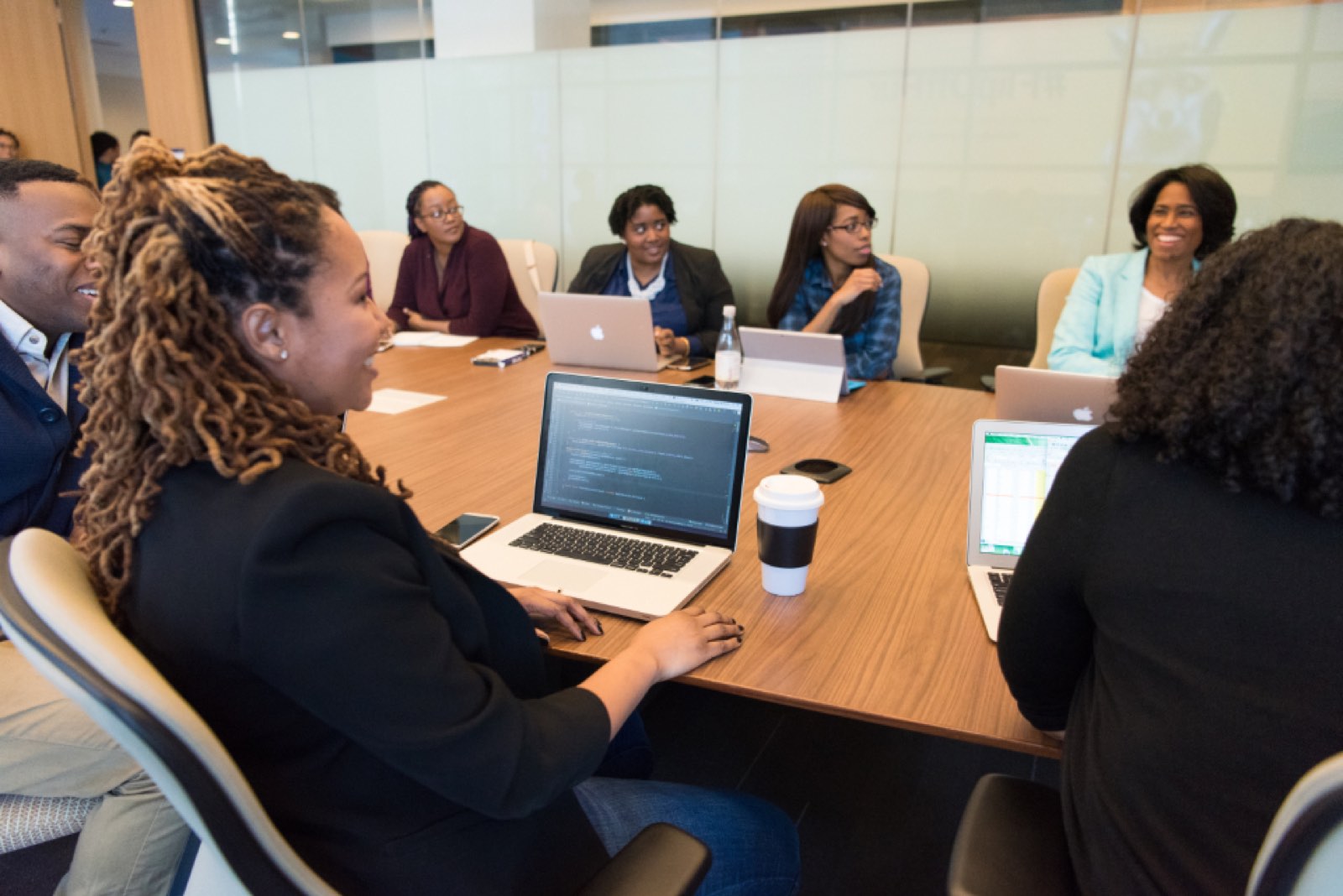
More jobs, different skills

The World Economic Forum expects many more jobs to be created by 2030 than are displaced, a net gain overall. But the jobs gained are not the jobs lost, and they are not always in the same places or open to the same people.
Employers expect a large share of core skills to change, and most see skill gaps as the biggest barrier to adapting. Large companies have training budgets. Small employers, who provide most jobs, usually do not. Young people, already facing much higher unemployment, need a way in.
Who is left behind if we get this wrong
Every big change in work has had winners and losers. The difference is how deliberately we plan for both.
Workers whose skills age
Without a way to retrain, experienced people can find their work is no longer wanted.
Small employers who cannot keep up
If new tools are only affordable to large firms, the gap between big and small widens.
Young people shut out
Entry-level roles can disappear first, leaving fewer places to start.
Change without trust
When technology arrives without explanation or say, people resist it, often for good reason.
Four shifts that would make the biggest difference.
- 01
Learning as part of work
Short courses and on-the-job training should be ordinary, not a perk.
- 02
Fair hiring for new roles
Skills, not only certificates, should open doors.
- 03
Technology small firms can afford
New tools should reach the corner shop, not only the corporate office.
- 04
Automation that helps, openly
Software should take on repetitive work, with people kept informed and in charge.
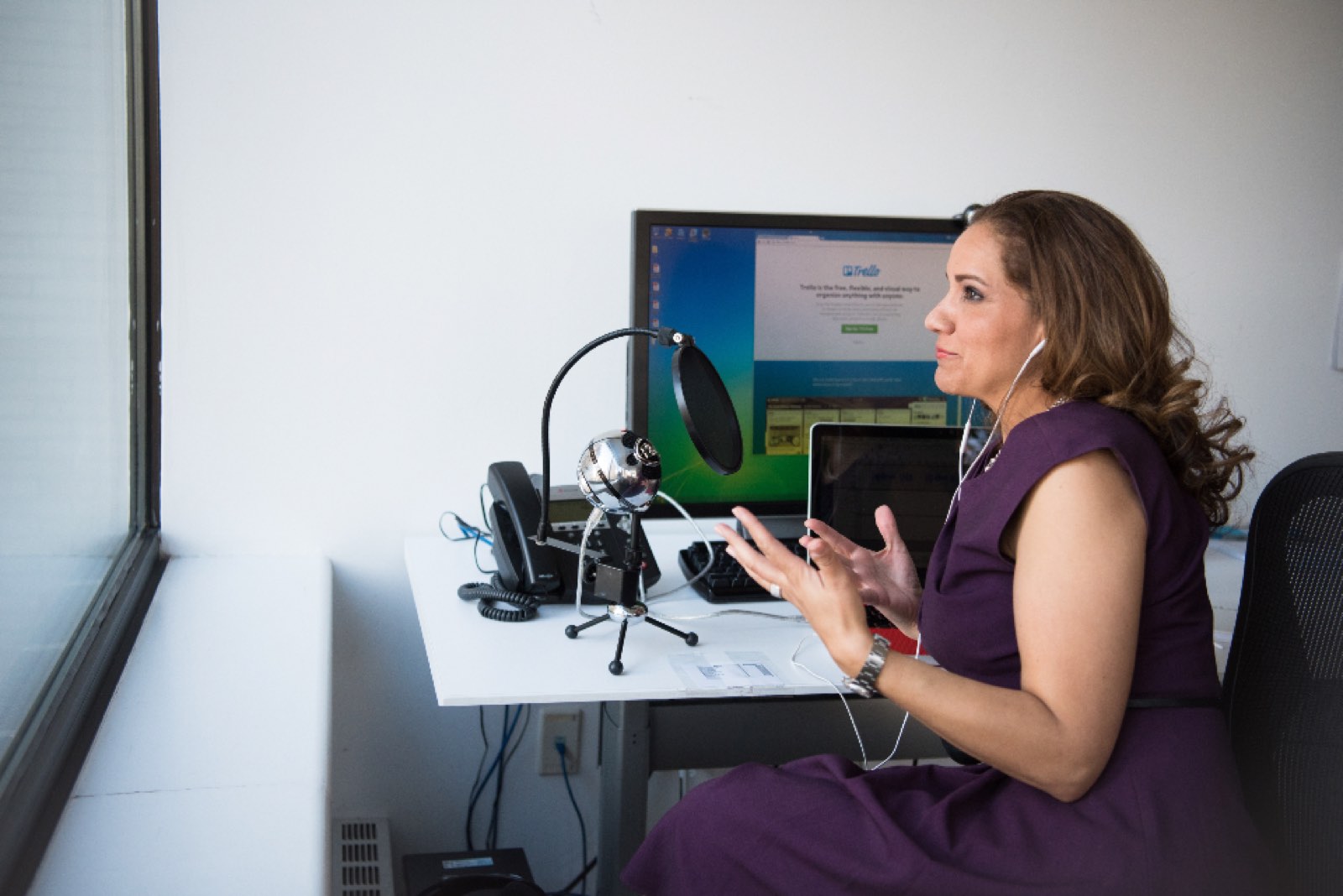


The future of work should not belong only to the companies that can afford it first.
We are wary of predictions and careful about AI claims. The best technology for work removes drudgery, is explained plainly and is priced so a small employer can use it too.
Svayam Incarnation LimitedWhat Svayam Incarnation and Intersink can honestly do.
We cannot predict which jobs will appear. We can keep the everyday tools of a modern business within reach of small employers and the people they hire.
Training inside the workspace
The Courses app lets any organisation teach its people, with lessons, quizzes and certificates.
Hiring for new roles
The Hiring app keeps job posts and applicants organised, so a small team can run a fair process.
Grow a channel at a time
A business can add a new line of work as a new channel with its own apps, without replacing what it already runs.
Credits for startups and students
Young companies can apply for £8,000 in free credits, and students for £800.
Online courses with video lessons, quizzes, certificates and cohorts.
Job posts, applicant pipeline, interviews and offers that become employees.
People, attendance, leave, payroll and payslips for the company that owns this channel.
Client projects, milestones, boards and timesheets that flow into Accounting.

A small firm adding a new service
Open a channel for it, add the apps it needs and pay after each month.

An enterprise retraining at scale
Courses, Hiring and Workforce across every business and brand in one account.
Sources
Every figure on this page comes from the organisation named beside it. We quote their words and numbers as published and do not add forecasts of our own.
- 170 millionnew jobs are expected to be created by 2030, while 92 million are displaced: a net gain of 78 million.World Economic Forum, Future of Jobs Report 2025
- 39%of workers' core skills are expected to change by 2030, and skill gaps are the top barrier to transformation for 63% of employers.World Economic Forum, Future of Jobs Report 2025
- 12.6%was the global youth unemployment rate in 2024, against 5% for all workers.ILO, World Employment and Social Outlook: Trends 2025
- 90%of businesses worldwide are small and medium enterprises, and they provide more than half of all jobs.World Bank, 2024

Bring your team into what comes next
Teach, hire and pay your people from one workspace, priced by use so a small employer can afford it.